The Relatability Premium: How Ordinary Became the Decade's Most Expensive Aesthetic

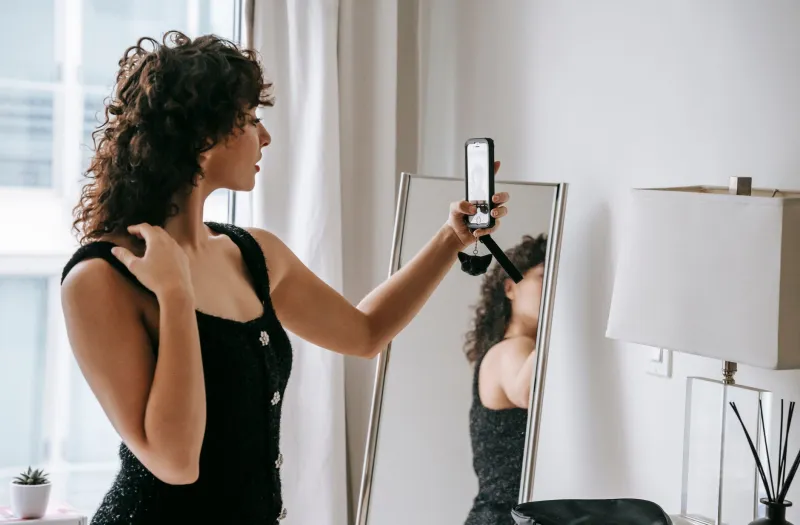
Somewhere around 2015, a particular kind of Instagram photograph began circulating with unusual persistence. It featured a young woman in a slightly rumpled linen shirt, sitting cross-legged on a bed with unmade sheets, holding a ceramic mug and gazing toward a window. The light was golden. The imperfections were precise. The caption read something like: just being me. The photograph had been taken by a professional photographer, lit with a reflector panel, and edited through a suite of tools designed to replicate the look of no editing at all. It cost, depending on the market, between three hundred and eight hundred dollars to produce.
This was the decade's central aesthetic paradox: authenticity, as a commodity, carried an extraordinary price tag. And the burden of that price fell most heavily on the people who could least afford to pay it.
The Architecture of the Unfiltered Moment
The cultural demand for realness did not emerge from nowhere. It arrived as a corrective — a backlash against the glossy, aspirational imagery that had defined early social media. Audiences, fatigued by perfection, began rewarding vulnerability. Platforms responded by algorithmically amplifying content that felt personal and unguarded. Brands followed the algorithms. And suddenly, the most commercially viable version of a public persona was one that appeared to require no commercial investment whatsoever.
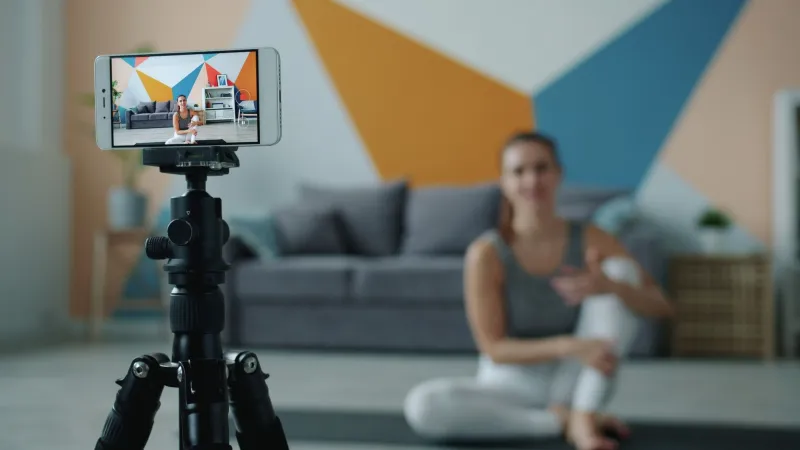
The infrastructure behind that appearance, however, was substantial. By the mid-2010s, a working lifestyle influencer in any mid-sized American city was maintaining a budget that included regular sessions with a freelance photographer, a rotating wardrobe of items carefully selected to read as effortless, subscriptions to multiple editing applications, and often a dedicated ring light for the moments when natural light was unavailable or insufficiently flattering. The aesthetic of spontaneity required, at minimum, a part-time production schedule.
None of this was necessarily deceptive in the way that earlier forms of celebrity image-making had been. The influencer economy was, in many respects, more transparent about its own mechanics than the magazine industry had ever been. What made it distinctive — and what made it costly in ways that were seldom discussed — was the expectation that this level of production should be invisible. The goal was not a polished image. The goal was an image that appeared unpolished, which is a considerably more technically demanding achievement.
The Ordinary American's Impossible Calculation
For the content creator who had built a following and secured brand partnerships, the investment in appearing authentic was a recoverable business expense. The math, however uncomfortable, worked. For the tens of millions of ordinary Americans who simply maintained personal social media accounts and absorbed the aesthetic standards of their feeds, the calculation was far more punishing.
Research conducted throughout this period consistently found that social media use was correlated with increased spending on appearance-related goods and experiences. But the more interesting phenomenon was subtler: the specific goods and experiences that drove this spending were not luxury items in the traditional sense. They were items associated with simplicity. Artisanal coffee. Unbleached linen. Hiking gear for trails that would be photographed more than walked. The premium, in other words, was not for extravagance. It was for the performance of modesty.
A working-class woman in Columbus, Ohio, scrolling through the feed of an influencer who appeared to live simply — thrifted clothing, farmers market produce, a small apartment with exposed brick — was not necessarily comparing herself to wealth in any legible way. She was comparing herself to an aesthetic of restraint that was, in practice, available only to people with significant disposable income and professional support. The aspiration had been democratized in appearance while remaining exclusive in access.
Confession as Capital
The authenticity economy was not limited to visual content. It extended, perhaps even more consequentially, into the realm of emotional disclosure. The decade saw a dramatic expansion in the expectation that public-facing individuals — influencers, but also anyone maintaining a social media presence — would share personal struggles, setbacks, and moments of genuine distress. Mental health disclosures, relationship difficulties, financial anxieties: all of these became currency in an attention economy that rewarded vulnerability with engagement.
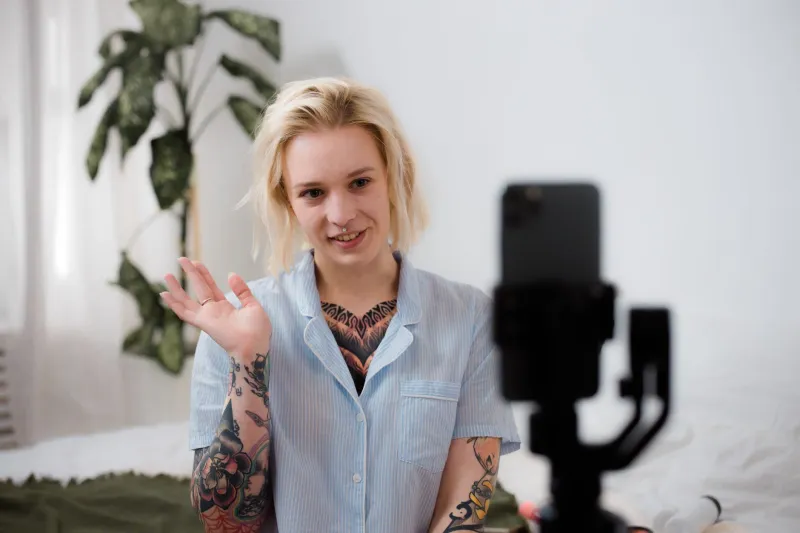
For professional content creators, this created a specific and well-documented phenomenon: the strategic deployment of personal difficulty as a content category. The timing of disclosures, their framing, their resolution arcs — all of these were increasingly subject to the same production logic as any other content. A well-executed vulnerability post could generate the highest engagement numbers of a given quarter. This was not necessarily cynical; many creators found genuine community and relief in public disclosure. But the professional incentive structure around that disclosure was real, and it shaped what got shared and how.
For ordinary Americans, the pressure was different but no less real. The expectation of emotional openness online — the sense that a curated, composed presence was somehow dishonest or evasive — created its own form of labor. Crafting a disclosure that felt genuine without being professionally damaging, vulnerable without being pitied, relatable without being pathetic, required a kind of emotional dexterity that was never acknowledged as work, and never compensated as such.
The Debt Nobody Counted
By the early 2020s, a small but growing body of research had begun examining what might be called the hidden costs of digital self-presentation. The findings were not surprising to anyone who had been paying attention, but they were striking in their specificity. Americans across income levels were spending measurable portions of their discretionary income on goods and services whose primary function was to make their lives appear a certain way online. The aesthetic they were investing in was, in most cases, one that signaled the absence of investment.
The decade that began in 2013 did not invent the performance of self. Americans had always curated their public images, in Christmas card photographs and church clothes and the careful selection of which stories to tell at dinner parties. What changed was the scale, the frequency, and the degree to which that curation was monetized — not just by the platforms that profited from the content, but by the entire ecosystem of goods, services, and coaching that grew up around the project of appearing genuine.
Authenticity, in the end, was never free. It was simply priced in a currency — time, emotional labor, carefully chosen consumer goods — that did not look like money until you added it up. For those at the top of the influencer economy, the investment was recoverable. For everyone else, it was simply the cost of participation in a culture that had decided, somewhere along the way, that the most valuable thing a person could be was effortlessly, expensively, themselves.